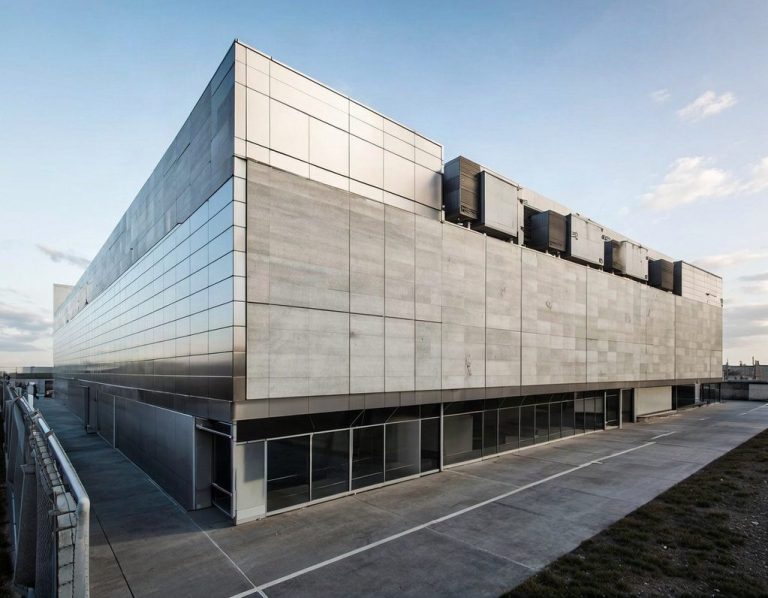
Data Center Commissioning
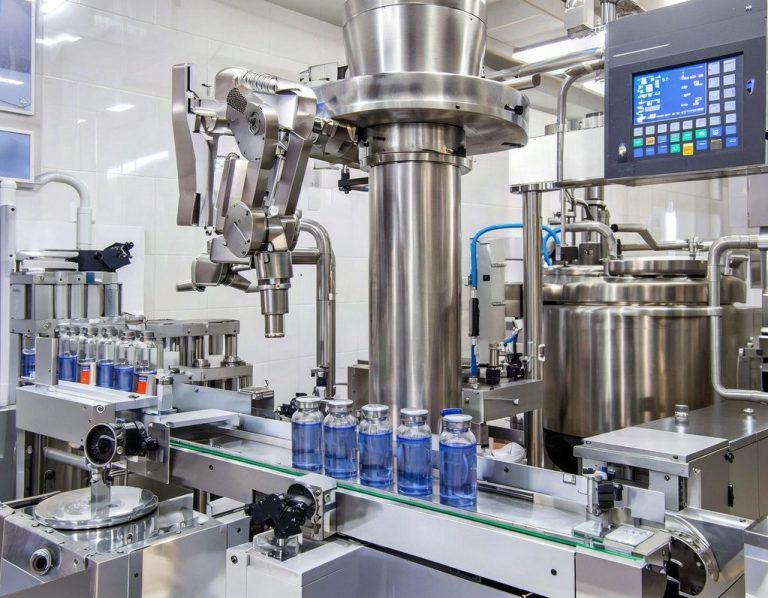
Pharmaceutical/Medical
Commissioning
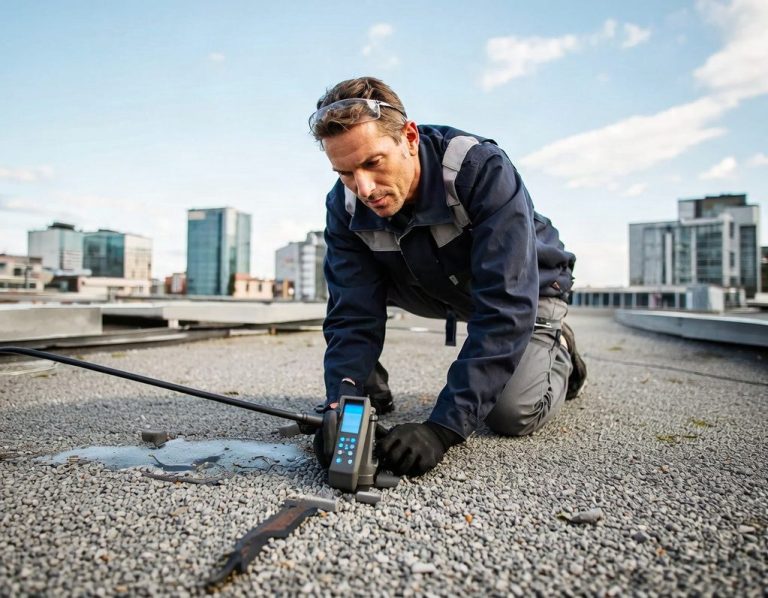
Building Envelope Commissioning
Integrated System Test
The Integrated System Test (IST) is a critical test to verify the proper operation of all equipment and their controls as a combined
operation which represents the actual functionality of the facility. DEI has developed test methodology for system integral testing which includes documented control scripts, dry runs and final testing. The integral test enables the owner to verify with a high degree of
certainty that all equipment and controls operate properly as a fully integrated system, communicate when faults occur, and continue their operation independently if needed during a crisis.
Data center commissioning is a structured quality-assurance process that verifies and documents that all critical electrical,
mechanical, and safety systems in a data center perform according to design intent and operational requirements.
DEI uses 5 levels of commissioning to
ensure proper data center operations:
Level 1 - Factory Acceptance Testing: Testing equipment at the manufacturer's plant before shipping to confirm it meets specifications.
Level 2 - Site Acceptance & Installation Verification: Inspecting delivered
components for damage and verifying
correct on-site physical installation before applying power.
Level 3 - Pre-Functional Testing / Start-up: Initial energization, checking motor
rotations, purging pipes, and verifying basic alarms and safeties.
Level 4 - Functional Performance Testing: Testing dynamic system operation under load (often using load banks) and verifying redundancy paths.
Level 5 - Integrated Systems Testing: Simulating major events and catastrophic failures—such as a complete utility blackout—to ensure generators, UPS backups, and cooling systems seamlessly take over
continuous operations.
In a pharmaceutical facility the goal of commissioning is to ensure that the facility operates under Good Manufacturing Practice regulations. DEI initially investigates the requirements of the various regulatory authorities including local or international laws, codes, and regulations related to Good Manufacturing Practices. We then go through the full commissioning validation process and document evidence that all equipment operates as intended and processes are capable of consistently producing finished product that meets quality specifications. Our Laboratory or Pharmaceutical facility commissioning follows a systematic Commissioning Qualification, and Validation (CQV) process:
Installation Qualification: Document that facilities, utilities, and equipment are built and configured to manufacturer specifications.
Operational Qualification: Test the equipment across its intended operating ranges to prove it functions as specified.
Performance Qualification: Verify that equipment and processes consistently perform under simulated or real-world production conditions.
System Validation: Assurance in parallel to test proper operation of any embedded software or integrated control systems.
Building envelope plays a critical role in
ensuring the comfort, safety, and energy
efficiency of a structure. DEI’s building envelope/enclosure commissioning process validates that the performance of materials, components, assemblies,
systems and design achieve the objectives and requirements of the owner as outlined in the contract documents. DEI’s Building Envelope commissioning focuses on two key areas:
Water & Moisture: Preventing leakage, mold, and condensation.
Energy Performance: Minimizing air
leakage and ensuring thermal insulation efficiency.
Building envelope commissioning process is a quality-focused, systematic process that verifies that a building's exterior
"skin"—including roofs, walls, windows, doors, and foundations—meets the
specifications and the owner's performance
requirements.